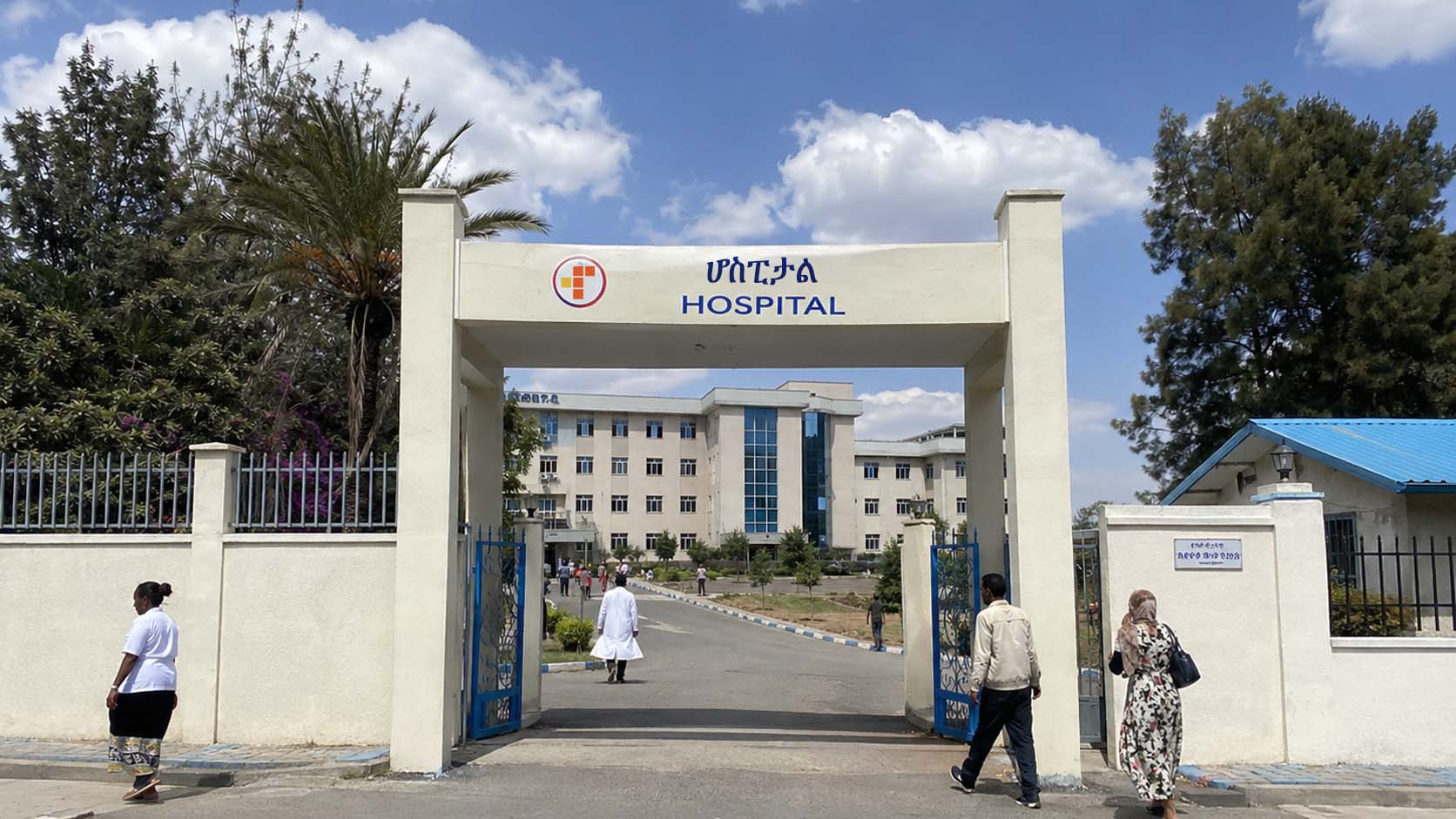
A hospital management system is a digital platform that helps hospitals, clinics, and healthcare centers manage patient care and administrative operations from one organized system. It can include patient registration, appointments, doctor schedules, consultations, medical records, billing, pharmacy, laboratory, inventory, staff management, reports, and communication.
Healthcare facilities handle sensitive information and time-critical processes. Patients need fast service. Doctors need accurate records. Reception teams need organized appointments. Finance teams need clear billing. Pharmacy and laboratory teams need proper coordination. Management needs reports. When these processes are handled manually or through disconnected files, delays and mistakes can affect both service quality and patient trust.
Why healthcare facilities need digital systems
Hospitals and clinics are busy environments. A single patient journey may involve reception, consultation, lab requests, pharmacy, payment, follow-up appointments, and medical records. If each department uses separate paper records or disconnected spreadsheets, it becomes difficult to track the full patient journey.
A hospital management system improves coordination by keeping information organized and accessible to authorized staff. This can reduce waiting time, improve record accuracy, support better reporting, and make the facility look more professional.
Core features of a hospital management system
A complete hospital management system may include patient registration, electronic medical records, appointment booking, doctor schedules, queue management, consultation notes, prescriptions, lab requests, pharmacy management, billing, insurance or payment tracking, inventory, staff roles, reporting dashboards, and audit logs.
Not every facility needs every module from the beginning. A small clinic may start with patient registration, appointments, billing, and reports. A larger hospital may need pharmacy, lab, inventory, inpatient management, ward management, HR, procurement, and advanced analytics. The best system is the one that matches the facility’s real workflow.
Patient registration and medical records
Patient registration is the foundation of the system. It captures patient details, contact information, visit history, and identification data. Once a patient profile is created, future visits can be tracked under the same record. This reduces duplicate files and makes patient history easier to review.
Electronic medical records can include consultation notes, diagnosis, prescriptions, lab results, allergies, treatment plans, and follow-up instructions. Because medical data is sensitive, access control is very important. Only authorized users should be able to view or update specific records.
Appointments and doctor scheduling
Appointment management helps reduce confusion at reception and improves patient flow. Patients can be scheduled with the right doctor, time slots can be managed, and staff can see upcoming visits. For clinics with multiple doctors or departments, scheduling becomes especially important.
A hospital management system can also support reminders, queue numbers, and follow-up appointments. This improves patient experience and reduces missed visits. Similar automation principles are used in business systems, which we explained in our blog about how automation saves time every day.
Billing, pharmacy, and laboratory coordination
Billing is one of the most important administrative parts of healthcare operations. A hospital management system can track consultation fees, lab fees, medication costs, procedure fees, discounts, payments, balances, and receipts. This reduces manual errors and improves financial reporting.
Pharmacy and laboratory modules improve coordination between departments. A doctor can request a lab test or prescribe medicine through the system. The lab team can update results, and the pharmacy can manage medicine availability and stock movement. This creates a smoother patient journey and helps management control inventory.
Reporting and management visibility
Healthcare managers need accurate reports to make decisions. A hospital management system can show daily patient counts, revenue reports, doctor performance, appointment trends, pharmacy stock, lab activity, outstanding payments, and department workload. These reports help management understand what is happening without depending only on manual summaries.
This is similar to the purpose of an ERP system, but hospital management systems are designed specifically for healthcare workflows.
Hospital management system vs CRM
A CRM system manages customer relationships, leads, communication, and follow-ups. A hospital management system manages patient care, medical records, appointments, billing, and healthcare operations. However, some healthcare facilities may use CRM-like features for patient follow-ups, reminders, health campaigns, and service communication.
Security and privacy matter
Healthcare data must be protected carefully. A good hospital management system should include user roles, permissions, secure login, activity logs, data backups, and proper record control. Sensitive patient information should not be accessible to everyone. Doctors, reception staff, pharmacists, lab staff, accountants, and administrators should each have access only to what they need.
Why choose a custom hospital management system?
Healthcare facilities operate differently. A dental clinic, general clinic, specialty center, diagnostic lab, and hospital do not all need the same system. A custom solution allows the software to match the facility’s services, departments, payment process, reporting requirements, and staff workflow.
At Pixelwel, we build healthcare and custom business systems with clean design, secure structure, role-based dashboards, and practical workflows. We focus on systems that staff can actually use, not complicated platforms that create more work. We can also connect the system with a professional healthcare website so patients can learn about services, request appointments, and contact the facility easily.
Final thoughts
A hospital management system helps healthcare facilities improve organization, reduce delays, protect records, and provide better service. It supports both patient care and administrative control. As healthcare demand grows, digital systems can help clinics and hospitals operate more efficiently and professionally.
If your healthcare facility needs a reliable digital system, Pixelwel can design and develop a hospital management system around your real workflow. Explore our hospital management system service or learn more about our custom business systems.