Introduction
When people think about branding, they often think of a logo.
While a logo is certainly an important part of your business identity, branding goes much deeper than that. Your brand is the complete experience customers have with your business—from the way your website looks to the tone of your communication and even the expectations people have before they contact you.
Whether you're a startup, a nonprofit, or an established company, your brand influences how people perceive your business.
A professional brand doesn't simply make your business look attractive. It builds credibility, creates recognition, and helps customers feel confident about choosing you over your competitors.
In today's competitive market, customers have more choices than ever before. Strong branding helps your business stand out while communicating professionalism and reliability before a single conversation takes place.
Let's explore why branding matters and how it contributes to long-term business growth.
What Is Branding?
Branding is the combination of visual identity, messaging, values, and customer experience that shapes how people perceive your business.
It includes elements such as:
- Your logo
- Brand colors
- Typography
- Website design
- Marketing materials
- Social media presence
- Customer communication
- Company values
Together, these elements create a consistent identity that people recognize and remember.
Branding Creates a Strong First Impression
People form opinions quickly.
Before reading your services or contacting your business, visitors often judge your professionalism based on your visual presentation.
A polished brand immediately communicates:
- Professionalism
- Credibility
- Attention to detail
- Reliability
A poorly designed brand may unintentionally create doubts, even if your services are excellent.
Trust Is Built Through Consistency
Consistency is one of the foundations of successful branding.
Customers should experience the same identity whether they visit your:
- Website
- LinkedIn page
- Business cards
- Email signature
- Marketing materials
Consistent branding makes your business appear organized and dependable.
Over time, consistency builds trust.
Branding Helps Customers Remember You
People interact with hundreds of businesses every week.
A memorable brand helps your business stay in people's minds long after they leave your website.
Recognition often comes from:
- Consistent colors
- A distinctive logo
- Clear messaging
- Professional design
- Positive customer experiences
The easier your business is to remember, the more likely people are to return or recommend you.
Good Branding Supports Marketing
Marketing attracts attention.
Branding gives people a reason to remember you.
Without strong branding, even successful marketing campaigns may struggle to create lasting impact.
When your branding is clear and consistent, every advertisement, blog post, or social media update reinforces your business identity.
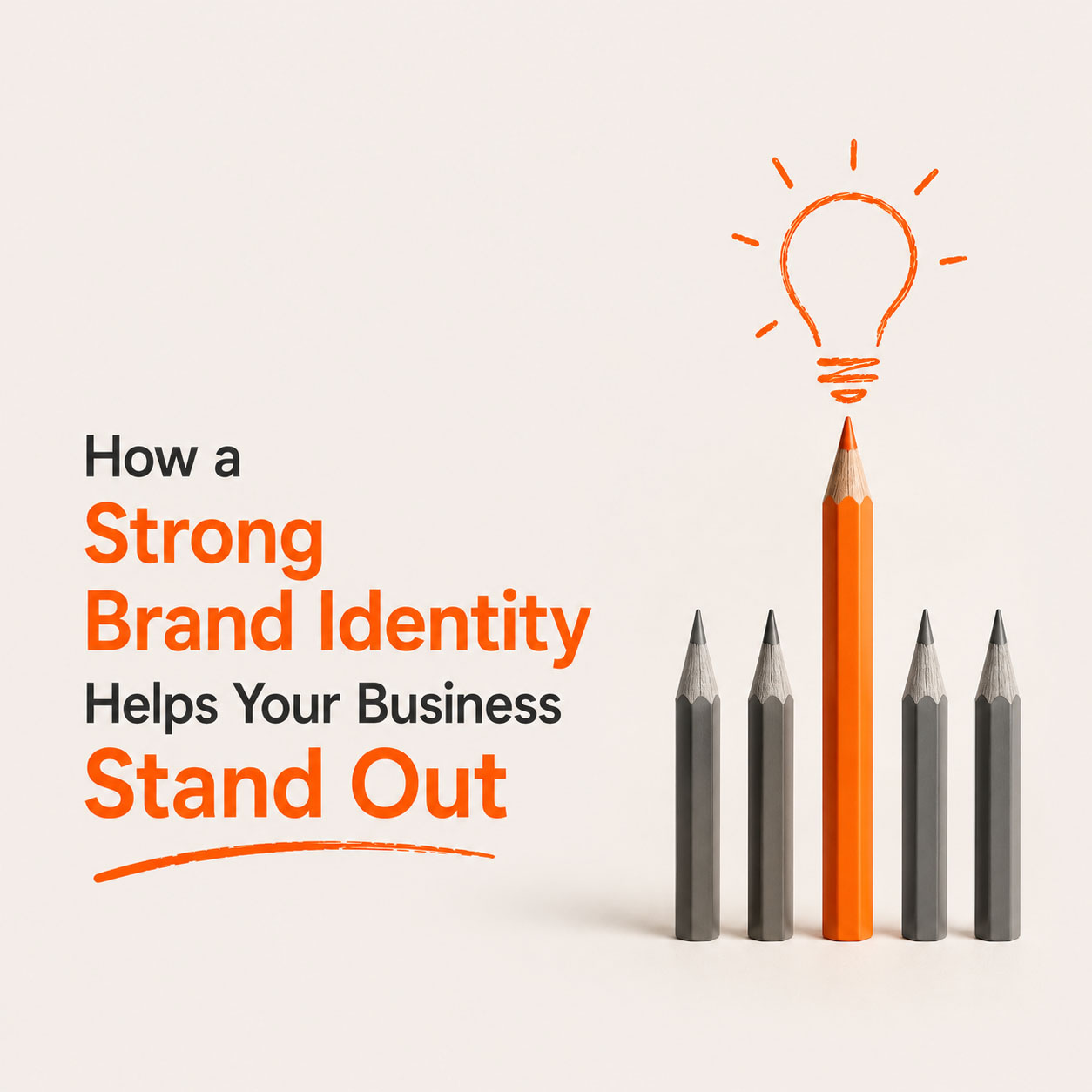
Branding Helps You Stand Out
Most industries are competitive.
Customers often compare several businesses before making a decision.
Professional branding helps communicate what makes your business different.
Rather than competing only on price, you compete on value, trust, and professionalism.
Branding Influences Customer Decisions
People don't always buy based on features alone.
They often choose businesses they feel comfortable trusting.
A strong brand creates confidence before customers even speak with your team.
That confidence can significantly influence purchasing decisions.
Employees Benefit from Strong Branding Too
Branding isn't only for customers.
A clear brand also helps employees understand:
- Company values
- Communication style
- Business goals
- Professional standards
It creates a stronger sense of identity and pride within the organization.
Professional Branding Increases Business Value
Businesses with established brands often enjoy greater long-term value.
Strong branding can:
- Increase customer loyalty
- Improve referrals
- Support premium pricing
- Strengthen reputation
- Attract partnerships
Brand equity becomes one of your company's most valuable assets over time.
Branding Goes Beyond Design
Although design is important, branding also includes your personality.
Consider questions like:
- How do you communicate?
- What promises do you make?
- What experience do customers expect?
- What values guide your business?
These elements shape your reputation just as much as your logo.
Common Branding Mistakes
Many businesses unintentionally weaken their brand by:
- Using different logos across platforms
- Changing colors frequently
- Inconsistent messaging
- Poor-quality graphics
- Outdated websites
- Unclear value propositions
Consistency is what transforms individual design elements into a recognizable brand.
Refreshing Your Brand
Brands naturally evolve as businesses grow.
A refresh may be appropriate if:
- Your logo looks outdated.
- Your business has expanded its services.
- Your audience has changed.
- Your website no longer reflects your company.
- Your visual identity is inconsistent.
Refreshing your brand doesn't necessarily mean starting over—it often means modernizing while preserving recognition.
How Branding Supports SEO and Digital Marketing
Branding and digital marketing work together.
A recognizable brand encourages people to:
- Click your website in search results.
- Share your content.
- Follow your social media.
- Return to your website.
- Recommend your business.
Over time, these positive interactions strengthen your overall online presence.
Why Businesses Choose Pixelwel for Branding
At Pixelwel, we believe branding should do more than look attractive—it should communicate your business's professionalism and value.
Our branding services include:
- Logo design
- Brand identity development
- Website design
- Brand guidelines
- Marketing materials
- Social media graphics
- Visual consistency across digital platforms
We work closely with businesses to create branding that reflects their goals, connects with their audience, and supports long-term growth.
Frequently Asked Questions
Is branding only important for large businesses?
No. Strong branding benefits businesses of every size by building trust and making them easier to recognize.
How often should a business update its branding?
There's no fixed schedule, but many businesses refresh their branding every few years to stay modern while maintaining consistency.
What's the difference between a logo and a brand?
A logo is one element of your visual identity. A brand is the complete perception people have of your business based on your design, messaging, values, and customer experience.
Can good branding improve sales?
Yes. Professional branding builds trust and recognition, making potential customers more confident in choosing your business.
Conclusion
Professional branding is one of the most valuable investments a business can make. It shapes first impressions, builds trust, improves recognition, and supports every aspect of your marketing.
A great brand isn't created overnight. It's built through consistency, quality, and a commitment to delivering a positive experience at every customer touchpoint.
Whether you're launching a new business or strengthening an existing one, investing in your brand today can create lasting benefits for years to come.