Introduction
Your website is often the first impression customers have of your business. Whether they discover you through Google, social media, or online advertising, visitors expect your website to load quickly and provide a seamless browsing experience.
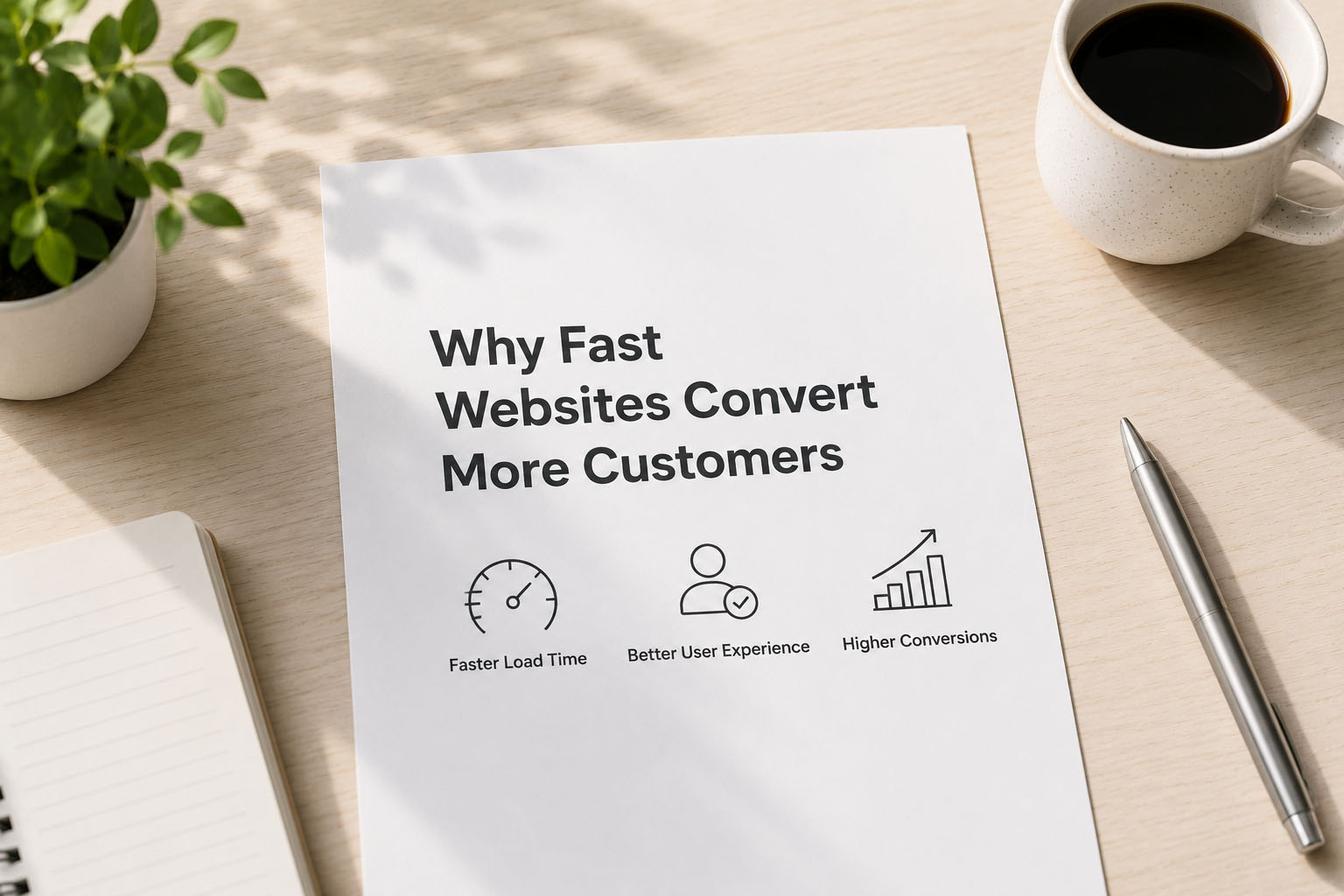
In today's digital world, speed is no longer optional—it's an essential part of your online success. Studies consistently show that even a one-second delay in page loading can reduce conversions, increase bounce rates, and negatively impact customer satisfaction.
At PixelWel, we build high-performance websites designed to deliver exceptional speed, improve search engine rankings, and convert more visitors into customers. In this guide, we'll explain why website speed matters and how investing in performance optimization can help your business grow.
Why Website Speed Matters
Website speed refers to how quickly your web pages load and become fully interactive for users.
When visitors land on a slow website, they often become frustrated and leave before exploring your products or services. On the other hand, a fast website creates a smooth, professional experience that encourages users to stay longer and take action.
Website speed affects:
- Customer satisfaction
- Search engine rankings
- Conversion rates
- Mobile usability
- Bounce rates
- Brand perception
- Revenue
A fast website doesn't just improve user experience—it directly contributes to business success.
How Website Speed Influences Customer Conversions
Visitors make decisions within seconds of arriving on your website. If pages load slowly, many users won't wait.
A fast-loading website encourages visitors to:
- Browse more pages
- Spend more time on your site
- Read your content
- Complete online purchases
- Submit enquiry forms
- Contact your business
- Return for future visits
Every second saved can increase the likelihood of turning a visitor into a paying customer.
1. First Impressions Matter
Your website reflects your business.
If it loads slowly, visitors may assume your business is outdated or unreliable. A fast website demonstrates professionalism and attention to detail, creating confidence from the very first interaction.
A positive first impression can significantly influence purchasing decisions.
2. Faster Websites Improve User Experience
User experience (UX) is one of the most important factors in retaining website visitors.
Fast websites provide:
- Smooth navigation
- Quick access to information
- Responsive interactions
- Better mobile performance
- Reduced frustration
When users enjoy browsing your website, they are far more likely to engage with your business.
3. Better SEO Rankings
Website speed is an important ranking factor for search engines like Google.
Google prioritizes websites that provide a fast, reliable experience because they better serve users. Faster websites are more likely to appear higher in search results, making it easier for potential customers to find your business.
By improving website speed, you can increase your visibility and attract more organic traffic.
4. Lower Bounce Rates
Bounce rate refers to the percentage of visitors who leave your website after viewing only one page.
Slow-loading pages often lead to higher bounce rates because users lose patience before the content appears.
A faster website keeps visitors engaged and encourages them to explore additional pages, products, and services.
5. Better Mobile Performance
Most internet users now browse websites on smartphones and tablets.
Mobile users often rely on slower network connections, making website speed even more important.
A fast, mobile-friendly website ensures visitors can easily:
- View products
- Read content
- Complete forms
- Make purchases
- Contact your business
Providing an excellent mobile experience is essential for modern businesses.
6. Increase Customer Trust
Customers associate fast websites with reliable businesses.
A responsive website signals that your company values quality and customer satisfaction.
Combined with secure browsing, professional design, and clear navigation, fast performance builds confidence that encourages visitors to do business with you.
7. Improve E-commerce Sales
For online stores, speed directly impacts revenue.
Customers expect product pages, shopping carts, and checkout processes to load instantly. Delays during these stages can result in abandoned carts and lost sales.
Optimizing website speed helps create a smoother shopping experience, increasing the likelihood that customers will complete their purchases.
Common Causes of Slow Websites
Many business websites become slow over time due to avoidable issues.
Common causes include:
- Large, uncompressed images
- Poor-quality web hosting
- Excessive plugins
- Outdated website software
- Heavy JavaScript and CSS files
- Unoptimized databases
- Too many third-party scripts
- Lack of browser caching
Identifying and addressing these issues can dramatically improve performance.
How to Improve Website Speed
Improving website speed requires a combination of technical optimization and best practices.
Effective strategies include:
Optimize Images
Compress images without sacrificing quality and use modern formats to reduce file sizes.
Choose Reliable Web Hosting
High-quality hosting provides faster servers, better uptime, and improved reliability.
Enable Browser Caching
Caching allows returning visitors to load pages more quickly by storing website files locally.
Minify CSS and JavaScript
Removing unnecessary code reduces file sizes and improves loading times.
Reduce HTTP Requests
Limiting unnecessary files and external resources helps pages load faster.
Use a Content Delivery Network (CDN)
A CDN delivers website content from servers closest to your visitors, reducing latency and improving performance.
Keep Software Updated
Regular updates improve security, compatibility, and website efficiency.
Core Web Vitals: Why They Matter
Google introduced Core Web Vitals to measure the overall user experience of a website.
These metrics evaluate:
- Loading speed
- Responsiveness
- Visual stability
A website that performs well in Core Web Vitals is more likely to provide a better user experience and achieve stronger search rankings.
Optimizing these metrics benefits both visitors and search engine performance.
How PixelWel Builds High-Performance Websites
At PixelWel, we understand that a beautiful website must also perform exceptionally well.
Our web development services focus on:
Performance Optimization
We optimize every element of your website for speed and efficiency.
Responsive Design
Our websites deliver a seamless experience across desktops, tablets, and smartphones.
SEO-Friendly Development
We build websites with search engine optimization in mind, helping improve visibility and rankings.
Secure Hosting Recommendations
We help clients choose reliable hosting solutions that support long-term performance.
Ongoing Website Maintenance
Regular updates, monitoring, and performance improvements ensure your website continues to operate efficiently.
Best Practices for Maintaining a Fast Website
To keep your website performing at its best:
- Regularly audit website speed.
- Remove unnecessary plugins.
- Compress new images before uploading.
- Update themes and software.
- Monitor server performance.
- Test mobile usability.
- Review Core Web Vitals regularly.
- Optimize website code and scripts.
Consistent maintenance ensures long-term speed and reliability.
Frequently Asked Questions (FAQ)
Why is website speed important for SEO?
Google considers page speed as one of its ranking factors because faster websites provide a better user experience. Improving speed can help your website rank higher in search results.
How fast should a business website load?
Ideally, your website should load within two to three seconds. Faster loading times generally lead to better engagement and higher conversion rates.
Can a slow website affect sales?
Yes. Slow-loading websites can frustrate visitors, increase bounce rates, and cause potential customers to leave before completing a purchase or enquiry.
Can PixelWel improve my existing website's speed?
Absolutely. PixelWel offers website performance audits, speed optimization, and web development services to help businesses create faster, more reliable websites that improve user experience and support business growth.
Conclusion
A fast website is one of the most valuable digital assets your business can have. It enhances user experience, builds trust, improves search engine rankings, and increases the likelihood that visitors will become loyal customers.
Investing in website performance isn't just about technology—it's about creating a better experience for your audience and maximizing every opportunity to grow your business. Whether you're launching a new website or improving an existing one, prioritizing speed will deliver long-term benefits.